The Quote Is Not the Bike: Auditing Insurance on a 300kg Tourer
Insurance quotes for a quarter-tonne tourer can feel like a punishment for owning something substantial. You mention a 1200cc-plus engine, a 300kg kerb weight and a garage full of touring kit, and the renewal figure arrives looking like a small mortgage. But the engine is only the opening line. The rest of the quote is built from a quieter set of details — where the bike sleeps, how it's secured, what's bolted to it, who rides it and what happened last time someone made a claim. Auditing those details is often more useful than simply hunting for the cheapest headline premium.
Weight Is a Rating Factor, Not a Moral Judgement
A heavy bike is not automatically a bad insurance risk. It is, however, a different risk. More mass means more energy in a low-speed tip-over, more expensive bodywork to replace and a greater chance that a small incident becomes a two-person recovery job. Insurers do not usually ask for the kerb weight in kilograms, but they know what a big tourer is. The model, engine capacity, value and repair profile all feed the quote. So does the fact that a 300kg machine is more likely to live outside a city centre and more likely to be parked on a driveway, in a garage or under a cover.
That is why two owners of identical bikes can receive very different numbers. One has a brick garage, an approved lock and a clean claims record. The other parks on a permit street, has a previous theft claim and lists a pillion who rides regularly. The bike is the same; the risk story is not.
The Workshop Questions Insurers Actually Care About
From a workshop perspective, the questions that matter are rarely about peak power. They are about identity, security and modification. Insurers want to know the registration, the model, the value and whether the bike is standard. They want to know who rides it, how many miles it covers and whether it is used for commuting, touring or both. They care about where it is kept overnight and whether that location is locked, alarmed or shared.
They also care about what has been fitted. A top box, panniers, heated grips, a taller screen, crash bars, an aftermarket exhaust, a sat-nav cradle and a suspension upgrade can all change the value or the repair cost. Some are considered accessories; some are modifications. The difference matters. A modification can affect the premium or the policy terms, and an undeclared one can cause trouble at claim time. The workshop-eye view is simple: keep a schedule. Photograph every accessory, keep the receipts and note the dates. If you sell the bike, update the policy. If you swap a screen for a taller one, tell the insurer. It is dull admin, but it is cheaper than arguing about a bent fairing after a car-park tumble.
Security Is a System, Not a Sticker
Insurers love an approved lock, but they are increasingly interested in the whole picture. A Thatcham-approved chain is useful. A ground anchor is better. A locked garage with an alarm is better still. The trick is to describe the system accurately. If the garage is shared, say so. If the bike is sometimes left at a partner's house, say so. If the lock is only used at weekends, do not claim it is fitted every night.
For a heavy tourer, security also has a practical limit. You cannot carry a 16mm chain in a jacket pocket, and a 300kg bike is not easy to wheel away quietly. That is why many owners lean on a layered approach: a garage at home, a disc lock for short stops and a sturdy chain for longer parking. The policy should reflect what you actually do, not what you wish you did.
Excess Arithmetic: Pay Now or Pay Later
A low premium with a huge compulsory excess is not always a bargain. On a big tourer, a minor claim can easily run into four figures once bodywork, panniers, mirrors and labour are added up. If the excess is £1,000, you may decide not to claim at all. That is fine, but it means the policy is really there for the large losses. Be honest about your tolerance. A £500 excess might cost more upfront but make a modest claim worthwhile. A £1,000 excess might suit a careful owner with a healthy repair fund. The right answer depends on your cash flow, not on what looks cheapest on a comparison site.
Garaging, Postcode and the Honest Detail
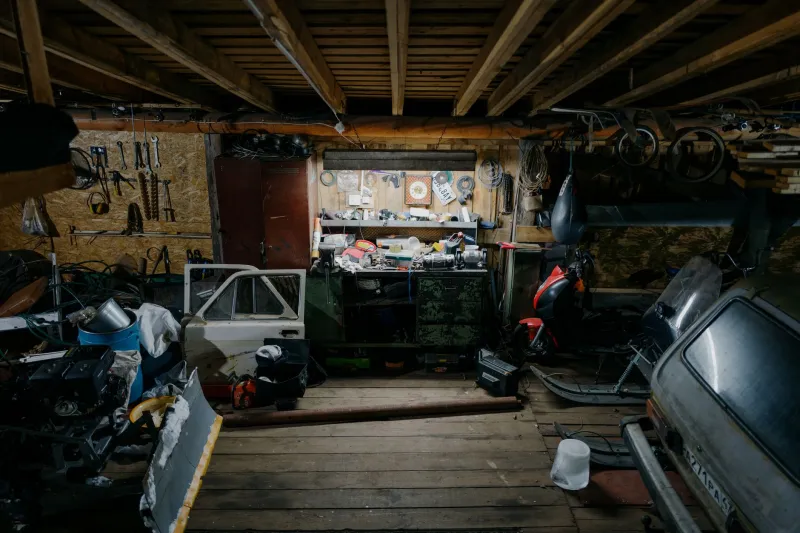
Where a bike lives overnight can move a quote more than an exhaust can. A locked garage in a low-theft area is a different proposition from a shared yard in a city. Postcode matters too, and there is no point trying to game it. If the bike is kept at two addresses, declare both. If it is parked at a workplace during the day, mention it. Insurers are not asking to be nosy; they are pricing the risk. Inaccurate details are the fastest route to a disputed claim.
Shopping Around Without Stripping the Cover
Comparison sites are a starting point, not a finish line. For a 300kg machine, it is worth calling a specialist broker and asking two questions: what is included, and what is excluded? Check legal expenses, breakdown cover, riding abroad, pillion cover and courtesy bike provision. A policy that looks £80 cheaper may drop European cover or reduce the mileage allowance. If you tour in France or Scotland, that matters.
Also check the claims history. A no-claims discount is valuable, but protect it if you can. And do not assume that adding a security device automatically lowers the price. Sometimes it does; sometimes the insurer does not recognise the brand. Ask before you buy the lock.
A Practical Audit Before Renewal
Start with a photograph of the bike, the odometer and every accessory. List the modifications and their receipts. Confirm the overnight parking description. Check the annual mileage against last year's actual use. Review the excess and decide whether it matches your repair fund. Then get at least three quotes: one comparison site, one direct insurer and one broker who understands big tourers. Compare the cover, not just the total. Finally, read the policy summary before you pay. If something does not match the bike in front of you, fix it now. The quote is not the bike. It is a contract about the bike — and it is worth auditing like one.