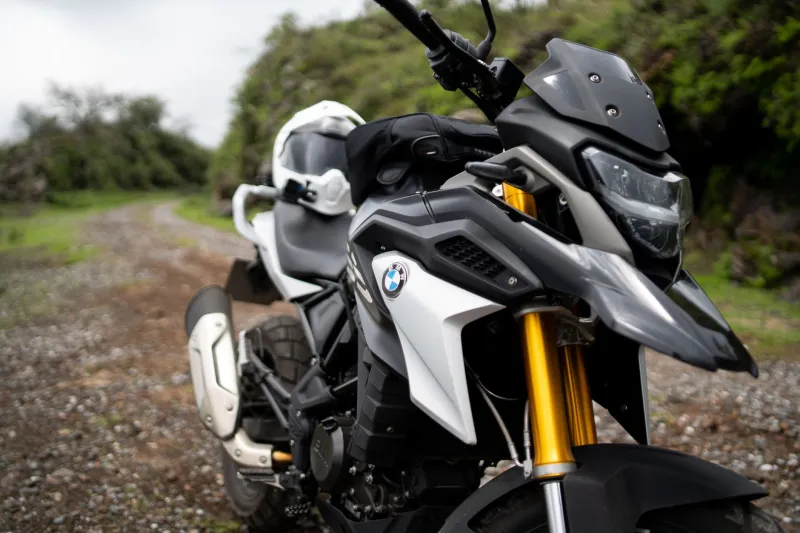
Rain, Filtering and Real-World Costs: The Case for a Big-Engine Commuter in 2026
There is a popular idea that the sensible commuter bike is small, cheap, and slightly miserable. Buy a 300cc single, save money on fuel, and accept that you will arrive at work looking like you have been swimming in a canal. In 2026, with UK traffic still thick and the weather still British, that logic deserves a second look.
A big-engine commuter is not about chasing top speed on the morning run. It is about weather protection, load capacity, stability, and durability. An 800cc-plus adventure or touring bike can be a genuinely practical daily tool, and for plenty of riders it is the more comfortable option than a downsized machine that has to be thrashed to keep up with motorway traffic.
Weather Protection Is Not a Luxury
If you commute all year, fairings, screens, handguards, and heated grips are not accessories. They are the difference between arriving at work alert and arriving at work soaked. A big adventure or touring bike gives you a decent screen, a reasonable amount of bodywork, and often the electrical headroom to run heated clothing without worrying about the battery.
A small naked bike can be brilliant fun in town, but it offers very little protection from rain, wind, and road spray. On a cold November morning, that matters. Big bikes also tend to have more substantial mudguards and better protection around the feet, which keeps grit and water off your boots. It is not glamorous, but it is practical.
Luggage, Kit and the Daily Load
Commuting is not just you and a backpack. You may need a laptop, a change of clothes, waterproofs, locks, and a decent amount of shopping. A big bike can carry all of that without upsetting the handling. Top boxes, panniers, and tank bags are easy to fit, and the suspension is usually built to cope with a load.
That matters more than people admit. A smaller bike with a heavy top box and a pillion can feel overwhelmed. A big adventure or touring machine tends to stay composed. If you regularly carry kit, the bigger bike is often the more sensible choice, not the more indulgent one.
Filtering Realities in UK Traffic
Filtering is legal in the UK when done safely, and it is one of the main reasons motorcycles make sense in cities. But big bikes are not all created equal. An adventure bike with wide bars and panniers is a different proposition from a slim 800cc roadster. If you filter every day, take the panniers off and think about bar width, mirror width, and how the bike feels at slow speed.
A big bike can still filter well if you are realistic. It will not slip through gaps like a 125, but it will often be more stable and more visible. The key is to ride within the bike's width and your own comfort zone. If your commute is mostly tight city lanes, a narrower machine may be easier. If it is a mix of A-roads, motorways, and urban traffic, a big bike's stability can be a real advantage.
Running Costs: More Than Fuel
Fuel economy is only one part of the equation. A big bike may return 45–55 mpg in real-world commuting, while a smaller bike might do better. But look at the whole picture. Big bikes often have longer service intervals, stronger components, and less stressed engines at motorway speed. Tyres cost more, but they can last well. Brake pads and discs are bigger, but they are also doing less frantic work.
Insurance, road tax, and depreciation matter too. A 900cc adventure bike may sit in a higher insurance group than a 400cc commuter, so get quotes before you buy. Clean air zones and ULEZ compliance are worth checking for any used bike. And do not forget consumables: chain and sprockets, or shaft-drive servicing, plus the cost of keeping corrosion at bay.
The hidden saving is often durability. A big bike that cruises at 70 mph at low revs is not working hard. A small bike screaming along at motorway speed is. Over years of commuting, the bigger machine can be the less stressed and longer-lived option.
Comfort and Durability for Year-Round Riding
Comfort is not soft. It is safety. A bike with good suspension, a decent seat, and stable brakes reduces fatigue. That matters on a dark, wet commute when your concentration is already stretched. Big bikes tend to handle potholes and broken surfaces better, and they feel more planted in crosswinds.
They also tend to be built for distance. That means stronger fasteners, better corrosion protection in key areas, and more robust electrical systems. None of that makes them immune to UK salt, but it does give you a better starting point. A regular wash and a proper protection routine will keep a big commuter going for years.
The Downsized Alternative Is Not Always Cheaper
There is a place for smaller bikes. If your commute is short, urban, and low-speed, a lightweight machine can be cheaper to buy, insure, and run. It can also be easier to park and filter. But if you are doing a mixed commute, carrying kit, riding in all weather, and covering decent mileage, the bigger bike often makes more sense.
The mistake is assuming that downsizing automatically saves money. It can, but not always. Add up fuel, insurance, servicing, tyres, and the cost of being uncomfortable or under-equipped, and the maths changes. For many UK riders in 2026, the big-engine commuter is not a sunny-day toy. It is the sensible tool that happens to be enjoyable as well.