The Ton-Up Tourer: Buying a Used Big Bike With 100,000 Miles on the Clock
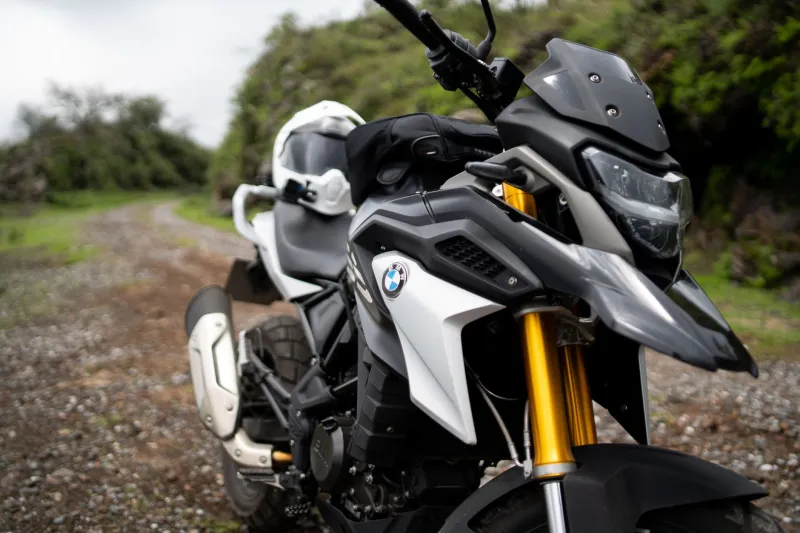
High mileage is not the bogeyman. On a heavy-duty adventure or touring bike, 60,000 miles is often just the point where the original owner has finally stopped worrying about stone chips. The problem is not the number on the clock. It is how the bike has been treated between MOTs, whether the big service jobs have actually happened, and whether UK salt has been quietly eating the bits you cannot see.
At Heavy Duty Motorcycles, we have seen high-milers that felt tighter than low-mileage garage queens, and we have seen shiny, low-mileage bikes with a corrosion problem hiding under fresh paint. If you are shopping for a used big bike that has already been somewhere, this is the checklist we would use.
Start With the Paper Trail, Not the Paint
Before you fall for the photographs, go to gov.uk and check the MOT history. You want a clean mileage progression, not just a current pass. A jump, a gap, or a suspiciously low reading between tests is a reason to walk away. Read the advisories too. Repeated notes about brake discs, suspension seals, corrosion, or tyre wear tell you how the owner has treated the bike between tests.
The V5C should match the seller and the bike. Ask for service receipts, not just a stamped book. On a big touring or adventure machine, the expensive jobs are the ones that matter: valve clearance checks, suspension servicing, shaft-drive oil changes where applicable, coolant changes, brake fluid, and fork oil. A book full of stamps but no invoices for the big jobs is only half a history.
Ask the seller what has been done in the last two years. If they cannot tell you when the brake fluid was changed or whether the rear shock has ever been touched, price that in. A well-maintained high-miler comes with a story and a folder. A polished liability comes with a fresh MOT and a lot of smiles.
Corrosion Is the UK Tax on High Mileage
British roads are brilliant at exposing weak points. Gritter season, coastal air, and year-round commuting all leave their mark. Check the front engine cases, fork lowers, swingarm, shock linkage, subframe, brake lines, radiator, exhaust headers, pannier mounts, and centre stand. Look behind the plastics and around the battery box. Fresh underseal or a rattle-can refresh can hide a lot, so look at the fasteners and the edges of components for overspray.
Electrical connectors are another high-mileage weak spot. ABS rings, wheel speed sensors, heated grip wiring, and the plugs around the ECU do not like salt. A bike that starts perfectly but has a flickering dash or an intermittent traction-control light is telling you something. Bring a torch. Get on your knees. A seller who is happy for you to inspect properly is usually a seller worth talking to.
Suspension and Final Drive: Where the Big Bills Hide
Suspension is the first thing to suffer on a heavy bike, and the last thing many owners service. Check fork stanchions for pitting and leaks, and look at the rear shock for misting, seized adjusters, or a tired spring. Electronic suspension is superb until it throws a code. Ask whether the system has been serviced, and budget for a rebuild if it has not. A good suspension specialist can transform a high-miler, but it is not cheap.
Final drive matters just as much. On a shaft-drive bike, ask about oil changes and check for play, leaks, and noise from the final drive. On a chain-driven machine, look at the chain and sprockets as a set. A new chain on worn sprockets is a false economy. Wheel bearings, headstock bearings, and brake discs are all normal wear items at this mileage, but they add up quickly if several are tired at once.
The Test Ride Tells You What the Advert Will Not
Start the bike cold if you can. Listen for cam-chain rattle, exhaust leaks, and anything that sounds expensive. Check the clutch bite, the gearbox through the full range, and the fuelling at low speed. On a big adventure bike, also test the quickshifter, cruise control, heated grips, and any rider modes. Warning lights should come on at key-on and go out as they should.
On the ride, feel for steering-head notchiness, brake judder, and suspension that wallows or crashes over bumps. Take it onto a motorway if possible, then find some slow-speed corners. A big bike should feel stable and planted, not vague. Check tyre dates and condition. A test ride is not a track day, but it is enough to tell you whether the bike has been maintained or merely cleaned.
The Numbers and the Negotiation
High mileage should be reflected in the price, but do not assume a low-mileage bike is automatically better. A 90,000-mile machine with a full history, fresh suspension, and a careful owner can be a smarter buy than a 30,000-mile bike that has sat outside for five winters. Budget for immediate consumables: tyres, brake pads, fluids, and a proper corrosion protection session with ACF-50 or XCP.
Get an HPI check, confirm the V5C, and ask about recalls. If you are not confident, pay for an independent inspection. A specialist will spot things you will miss, and the report gives you negotiating power. The best high-mileage buy is not the cheapest one. It is the one where the expensive jobs have already been done, the corrosion is honest, and the seller can look you in the eye when they talk about the bike's history.