Ballast With a Helmet: The Two-Up Setup Your Big Tourer Has Been Waiting For
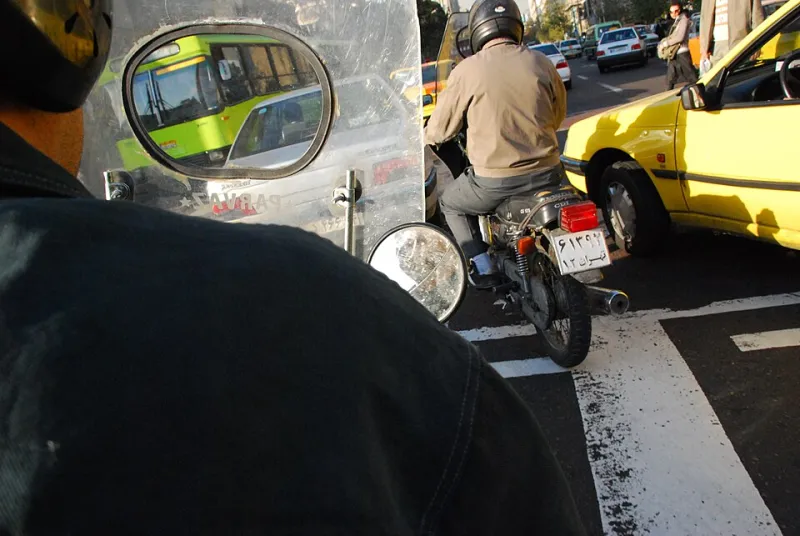
Photo: Paul Keller, CC BY 2.0, via Wikimedia Commons
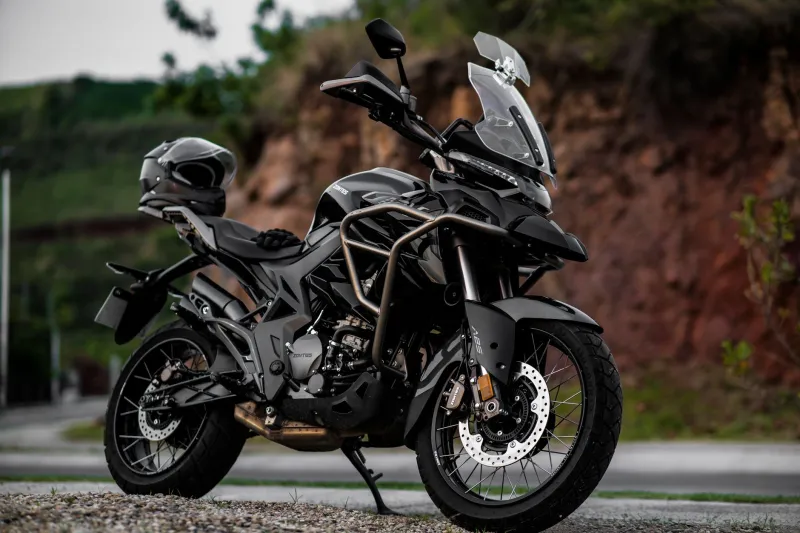
A big tourer on its own is a known quantity. You know how it rolls off the side stand, how much brake it needs into a damp roundabout, and where the weight sits when you paddle it out of a tight car park. Add a passenger and all those little reference points move. The bike has not become a different machine, but it has become a heavier one, with a higher centre of gravity and a second set of nerves on board. Treat the first two-up ride as a setup job, not a leap of faith.
Start With the Plate, Not the Shock
Before you touch a preload dial, read the plate on the frame and the payload figure in the owner's manual. A 300kg tourer might have a maximum laden mass that sounds generous until you add two adults in riding kit, a top box full of waterproofs, panniers with a weekend's clothes, and a tank bag. Big bikes are capable, but they are not exempt from arithmetic.
Check that the bike actually has a proper pillion seat and footrests, and that the grab rail or luggage arrangement gives your passenger something sensible to hold. Look at the top box lid: most have a load limit stamped inside, and it is usually lower than people assume. A heavy box hanging out behind the rear axle is the quickest way to make a stable tourer feel vague.
While you are in admin mode, check your insurance. Most UK policies include pillion cover as standard, but not all, and it is worth a phone call or a look at the schedule rather than a hopeful assumption. The legal basics are straightforward: the passenger needs a proper seat and footrests, a correctly fitted helmet, and a rider with the right licence. Learner riders cannot carry a pillion in the UK, and passengers must be at least 12. Those are not details to leave until the morning of the ride.
Preload Is a Starting Point, Not a Personality
Suspension preload is the first thing most riders reach for, and rightly so. Adding a passenger compresses the rear spring, which changes ride height, steering geometry and how the bike behaves over crests and potholes. Wind in some preload according to the manual or the remote adjuster, then check the result. A useful starting point is to set the bike so it sags a similar amount with both of you aboard as it does with you solo. If the rear sits down and the front goes light, you have gone the wrong way, or you need more preload than the standard setting offers.
If your bike has adjustable rebound, this is the moment to think about it. More mass needs more control, but do not simply crank everything to maximum and call it a setup. A harsh rear end will skip over broken British tarmac and make your passenger miserable. Make one change at a time, ride the same short loop, and note what changed. The same goes for the front: some tourers have adjustable preload or damping up front, and a small tweak can settle the steering when the rear is carrying more weight.
Pressures, Not Guesswork
Tyre pressures matter more two-up. The owner's manual will usually list a two-up or fully laden figure, often a couple of psi more at the rear and sometimes a little more at the front. Check them cold, with the bike loaded as it will be for the ride. Do not simply pump them to the maximum printed on the sidewall; that is a limit, not a recommendation. Under-inflated tyres will feel squirmy and heat up; over-inflated ones will make a heavy bike feel skittish and wear the centre tread.
While you are down there, glance at the final drive. A chain does not need to be tighter because you have a passenger, but it does need to be correctly adjusted and lubricated. A shaft or belt has its own checks. Tyres with plenty of tread and no cracking are not a luxury when you are asking them to haul an extra person and luggage through a wet November.
The Thirty-Second Briefing
Most two-up problems start before the bike moves. Agree a mounting routine. The rider gets on first, holds the front brake, and keeps both feet planted if possible. The passenger mounts from the left, stands on the footpeg rather than the exhaust or bodywork, and sits down gently. Tell them not to put a foot down unless you say so, and not to lean against the direction of the turn. The old advice still works: look over the rider's inside shoulder and move with the bike, not against it.
Agree a signal for stopping and a signal for getting off. It sounds fussy. It is not. A passenger who tries to dismount while you are still holding the bike on a camber can turn a quiet petrol station into a weightlifting competition.
Brake Earlier, Roll Smoother
Two-up riding is not about being slow; it is about being early. Brake earlier, use the rear brake gently to settle the bike, and leave a bigger gap. The extra mass takes longer to stop and longer to change direction. Engine braking helps, but do not rely on a clumsy downshift to scrub speed with a passenger aboard. Smooth clutch and throttle inputs keep the chassis happy and your passenger's helmet from clonking into yours.
At low speed, plan more. A quarter-tonne tourer with two people on board is not the moment for a lazy U-turn on a narrow lane. If you need to paddle, get both feet down and take your time. There is no prize for looking elegant while the bike is leaning past the point of no return.
Luggage: Keep the Weight Low and Close
Panniers are your friends. Top boxes are convenient but high and far back. Put heavy items low and as close to the centre of the bike as you can. Keep the top box for light kit, and respect its limit. Do not hang bags from indicators or strap a holdall to the grab rail and hope for the best. A loaded bike that weaves at motorway speed is not a character flaw; it is a packing problem.
Practise Before You Promise
Find an empty car park or a quiet industrial estate and do a few low-speed turns, a controlled stop and a start on a slight incline. Then go for a short ride on roads you know. Adjust preload or pressures if the bike feels vague, harsh or reluctant to turn. The aim is not to make a 300kg tourer feel like a 125. It is to make the weight predictable, so both of you can relax and get on with the ride.