The Commuter Case for a 300kg Tourer (And the Routine It Demands)
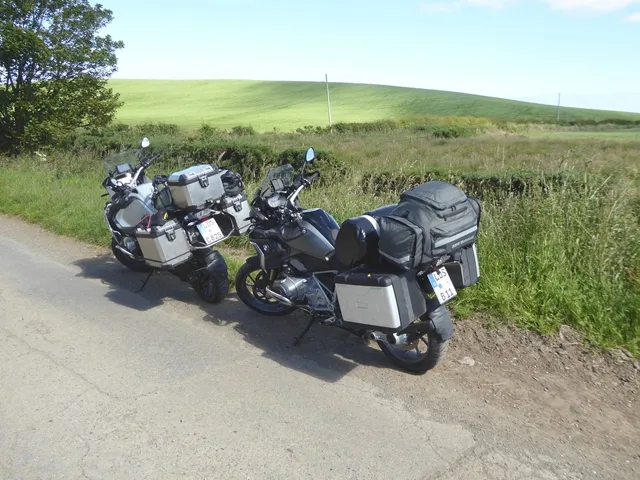
Photo: Oliver Dixon , CC BY-SA 2.0, via Wikimedia Commons
Every so often someone asks whether a 300kg tourer makes any sense as a daily commuter. The honest answer is yes, but only if you are buying the routine as well as the bike. A heavy tourer is not a worse commuter because it is heavy. It is a different commuter. The weight is always there, and the riders who get on best with these bikes are the ones who plan around it instead of hoping it will vanish in traffic.
The Weight Is Not the Whole Story
A big tourer usually carries its mass low and steady. That can make it feel more planted than a lighter adventure bike at motorway speed, and the fairing, screen and shaft drive can turn a wet commute into something far less miserable. The torque is useful, too. You are not constantly stirring a gearbox to make progress. But 300kg is still 300kg when you are pushing it backwards into a parking bay or trying to thread it between two rows of stationary cars.
Filtering: Width Beats Weight
Filtering on a heavy tourer is less about agility and more about knowing your width. Panniers, mirrors and wide bars decide whether a gap is real. Do not force a gap because a sportier bike went through it. Pick routes where the traffic is likely to keep moving rather than routes that depend on a heroic lunge between lanes. A quarter-tonne bike is stable and predictable, but it is not a scooter. If you commute through a city with narrow lanes and frequent roadworks, test the route on the bike before you commit to buying it.
Parking Is the Real Test
Parking is where most heavy-bike commuters either build a system or learn to hate the bike. Look for flat ground, nose-out positioning and a surface that will not turn into gravel or mud by February. Council parking bays, station car parks and office compounds all have their own quirks. Find the spaces that work and stick to them. Avoid cambered side streets where you have to back uphill. If you use a centre stand every day, practise the technique until it is boring. If you have a long, slow push into a shed, think about a wheel chock or a small ramp before you buy the bike, not after.
Fuel, Tyres and the Cost of Daily Use
A heavy tourer is not a cheap commuter in the way a 125cc scooter is cheap. Fuel consumption will depend on how you ride, but a big bike moving a lot of metal is not going to match a small commuter. Tyres wear with weight and torque, and a rear tyre can disappear surprisingly quickly if you are heavy on the throttle out of junctions. Shaft drive saves you chain maintenance, but it does not save you from final drive oil changes or the cost of a big service. Budget for consumables honestly. The bike may be reliable, but it is not free to run.
Weather Protection and Gear
This is where the tourer earns its keep. A decent fairing, screen and heated grips can make a wet January commute feel far less punishing than it does on a naked bike. But the gear that keeps you warm and dry is bulky, and bulky gear makes filtering harder. Buy kit that works with the bike, not against it. Make sure you can reach the controls comfortably with winter gloves on. Check that your visor stays clear in the sort of fine spray that follows a gritter. The bike's weather protection is a real advantage, but only if your gear does not undo it.
Build a Routine, Not a Fantasy
A daily quarter-tonne commuter works when the routine is set. Check tyre pressures weekly, because heavy bikes are sensitive to low pressures. Clean the salt off before it becomes a workshop bill. Plan fuel stops around your week rather than hoping to find a station at the right moment. Know where you will park before you leave. Give yourself two extra minutes in the morning for a walkaround. None of that is glamorous, but it is what makes the difference between a bike that is a pleasure every day and one that becomes a chore.
If you want a commuter that you can throw into any gap and park on a sixpence, buy something lighter. If you want a bike that eats motorway miles, carries your kit and feels planted in British weather, a 300kg tourer can be excellent. Just buy it with your eyes open and build the routine around it.