Paper Trail, Heavy Metal: What an MOT Record Really Tells You About a Big Bike

Photo: motorcycle workshop inspection UK used bike brakes close up, via static1.topspeedimages.com
Start With the Boring Bits
Buying a heavy-duty motorcycle is an exercise in trusting evidence over enthusiasm. A 300kg tourer can look magnificent under forecourt lighting and still be hiding a decade of neglect in its paperwork. The UK's online MOT history service is free, quick and gloriously unsentimental. It doesn't care how good the paint looks. It just records what an examiner found on a given day, year after year.
That record is not a guarantee of condition. It is a pattern. And patterns are exactly what you want when you're about to spend serious money on a bike that weighs as much as a small sideboard.
Mileage: Look for the Story, Not the Number
A big bike with 42,000 miles isn't automatically a bad buy. A big bike with 42,000 miles that somehow did 9,000 miles between 2019 and 2024 and then 12,000 in the last eighteen months deserves a question or two.
Look at the yearly progression. Steady, modest annual mileage usually points to a bike that was used regularly and maintained accordingly. Long periods of inactivity followed by sudden bursts can mean a machine was parked up, neglected, then hastily recommissioned for sale. On a quarter-tonne bike, sitting still is rarely kind. Seals dry, brake fluid absorbs moisture, tyres flat-spot and corrosion gets a quiet foothold in places you won't see until the fairing comes off.
Be wary of mileage that stalls entirely for several years and then resumes at a suspiciously neat figure. Also check that the recorded mileage is consistent across test stations and dates. It isn't proof of clocking, but it is a prompt to ask for service invoices and old receipts.
Advisories Are the Real Goldmine
Most buyers skim the pass or fail result and ignore the advisory column. That's a mistake. Advisories are where the examiner writes down the things that weren't quite bad enough to fail the bike but were bad enough to mention. On a heavy motorcycle, those notes are a map of future expense.
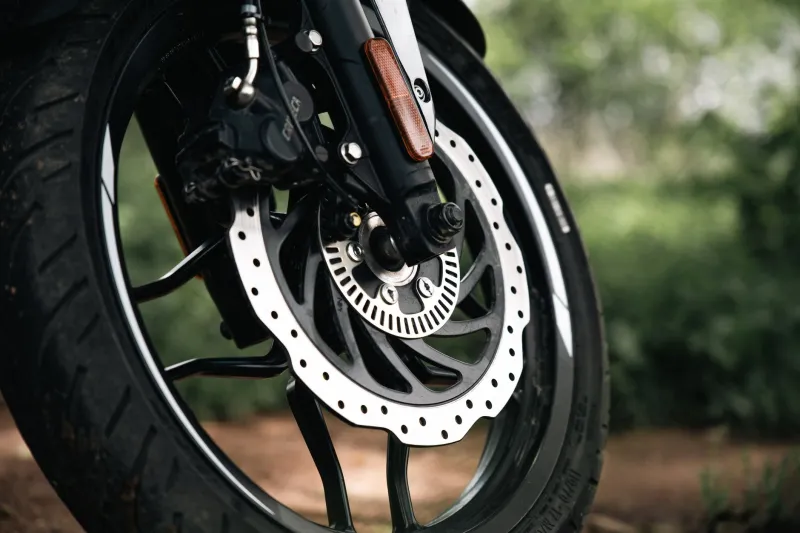
Read them chronologically. A single advisory for a slightly worn front brake disc is normal wear. The same advisory appearing three years running, then a failure for a disc below limit, tells you the owner deferred maintenance until the test forced their hand. That habit rarely stops at brakes.
Group the advisories by system. Brakes, suspension, steering, exhaust, corrosion and tyre condition are the big ones. If the same area keeps cropping up, price the repair before you view the bike. A repeated fork seal advisory on a big adventure tourer is not a five-minute fix; it's a job that can involve removing bodywork, draining and refilling, and checking the internals while you're in there.
Corrosion Notes: Read Between the Lines
Britain is not kind to motorcycles. Gritter season, coastal air and damp garages all leave their mark. An MOT note about corrosion isn't necessarily a deal-breaker, but the wording matters. "Corrosion to a prescribed area" is a different conversation from a passing mention of surface rust on a component.
Heavy bikes often hide corrosion where the examiner can't easily see it: under the seat, around the swingarm pivot, behind the fairing lowers and along the frame near the footpegs. If the MOT history mentions structural corrosion, ask for photos of those areas before you travel. If the seller can't or won't provide them, that's information too.
Repeated advisories for corroded brake pipes, rusty fasteners or deteriorated suspension components suggest a bike that has lived outdoors or been ridden through winters without a proper rinse-and-protect routine. That doesn't make it worthless, but it should shape your offer.
The Suspension and Brake Repeat Offenders
On a quarter-tonne machine, suspension and brakes work hard. They also generate some of the most revealing MOT patterns.
Look for repeated advisories on fork seals, shock absorbers, suspension linkage play, brake pad wear, brake disc condition and brake performance fluctuation. One-off notes are ordinary. The same note two or three years apart, with no corresponding evidence of repair, hints at a owner who treats the MOT as a hurdle rather than a health check.
Be especially curious about brake imbalance or fluctuation advisories on a heavy tourer. These can point to warped discs, sticking calipers or contaminated fluid. On a bike that weighs what yours does, brakes are not a place to gamble.
Failures Tell You About Ownership Style
A failure isn't a disaster. What matters is how quickly it was fixed and whether the same fault reappears. A bike that failed on a blown bulb and passed a week later is a different proposition from one that failed on a brake defect, sat untested for eight months and then passed after a suspiciously vague repair.
Check the dates. Long gaps between a failure and the next test can mean the bike sat unused, waiting for money or motivation. On a big motorcycle, that's often when corrosion and seized fasteners set in.
Cross-Check Before You Travel
MOT history is a starting point, not a verdict. Match it against the service record, the current owner's story and the bike's cosmetic condition. If the MOT record suggests regular use but the bike is presented with mismatched fasteners, fresh underseal and a suspiciously clean engine, ask why.
Bring a checklist to the viewing. Look at the areas the MOT history flagged. Check the brake discs for scoring, the fork legs for misting, the swingarm and shock linkage for play, and the frame for bubbling paint. Ask when the brake fluid was last changed. Ask for receipts.
The best big-bike purchases are rarely the shiniest ones. They're the ones where the paperwork, the maintenance and the condition all tell the same story. The MOT record is simply the cheapest way to start reading it.
A Final Sanity Check
MOT history won't tell you how a bike rides, whether the gearbox is sweet or whether the suspension was set up for a rider of your size. It won't replace a proper inspection or a test ride. But it will tell you whether the bike has been cared for or merely kept legal.
Spend twenty minutes on the government's MOT history site before you spend four hours travelling to see a bike. On a quarter-tonne tourer, a little forensic reading now can save you a very heavy repair bill later.