Dry Bags, Wet Roads: Loading a Big Tourer for a British Weekend
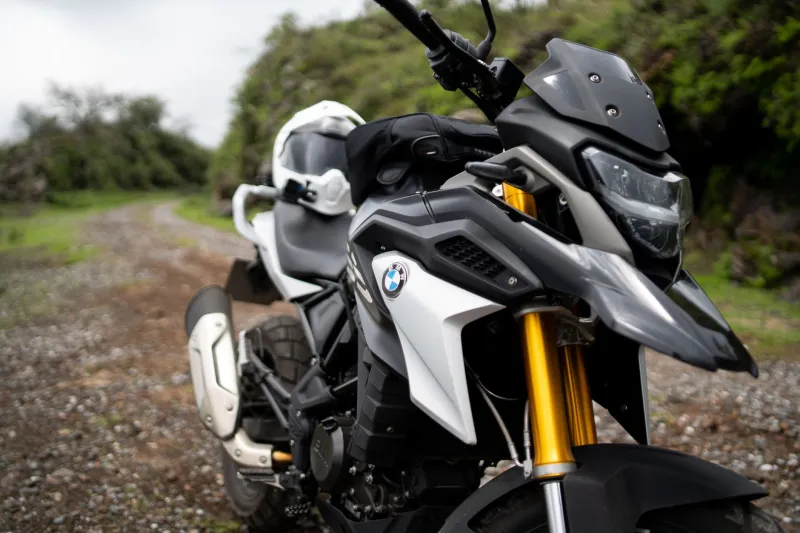
Photo: loaded adventure motorcycle with panniers and dry bags on wet UK road, via images2.minutemediacdn.com
British touring has a particular talent for making luggage decisions look optimistic. You pack for a dry Friday in the Peak District, and by Saturday lunchtime you are riding through standing water on the A66 with a top box full of wet walking boots. The bike does not care about your itinerary. It cares about mass, where that mass sits, and whether it is secure.
A big tourer or adventure bike can carry a serious amount of kit. That does not mean it should. The difference between a bike that feels planted on a wet B-road and one that weaves over cat's eyes is usually not the luggage itself. It is the loading strategy.
Start with the payload plate
Find the plate on the frame or swingarm and read the maximum laden mass. That figure includes you, pillion, kit and any accessories. It is not a suggestion. A typical big tourer might have a payload of around 200kg, but once you add a pillion, a top box, panniers and a tank bag, the margin disappears faster than you think. Check the top box limit too. Many are rated for 5kg to 10kg, not for a chain, tools and a case of beer.
If you are buying luggage in 2026, treat the payload figure as part of the product. A set of aluminium panniers that weighs 12kg empty has already eaten into your allowance before you put anything inside. Soft luggage is often lighter, but it is not automatically the right answer.
Keep mass low and central
Heavy items go low and close to the bike's centre of gravity. That means tools, spares, a stove and liquids in the bottom of panniers, not in the top box. Put the heavier pannier on the side away from the exhaust if you can, and keep both sides roughly balanced. A big bike will tolerate a small difference; it will not enjoy 10kg on one side and a raincoat on the other.
Do not hang a heavy dry bag off the rear rack unless the bike and the rack are rated for it. Weight behind the rear axle acts like a lever. On a wet road, that lever turns small steering inputs into a lazy weave. If you need to carry a tent or sleeping bag, strap it low across the pillion seat or on a proper rear rack, and keep it as close to the centre of the bike as possible.
The top box trap
Top boxes are brilliant for helmets, gloves and a flask. They are terrible for dense, heavy kit. A top box sits high and far back, which is exactly where you do not want mass on a big bike. Use it for light, bulky items and things you need at a services stop. Do not fill it with a tool roll, a laptop and a spare pair of boots and then wonder why the front feels vague on the M6.
Waterproofing without a bin-liner lottery
British rain does not respect zips. Assume everything will get wet unless it is in a roll-top dry bag or a hard case with a good seal. Line hard panniers with a dry bag or a heavy-duty liner. Pack clothes in roll-top bags, squeeze the air out, and test the closure before you leave. A bin liner works for a day, but it tears, traps moisture and turns clean clothes into a damp bundle by Sunday.
Keep a small dry bag for documents, phone and charging cables. Put it in a tank bag or a pocket rather than at the bottom of a pannier. If you are camping, pack the tent and sleeping bag separately so a wet flysheet does not soak everything else.
Security is part of the loading plan
Hard luggage locks are a deterrent, not a guarantee. Soft luggage is easier to slash, so do not leave valuables in it overnight. Use a cable lock to tie luggage to the bike frame, and take the expensive stuff with you. At a campsite, a dry bag with a padlock through the handle is better than nothing, but a top box with a flimsy latch is not much better.
Hard cases versus soft kit
Hard panniers are secure, weatherproof and easy to clean. They are also heavy, wide and expensive, and they can damage your leg or the bike in a slow drop. Soft luggage is lighter, cheaper and more forgiving, but it needs proper waterproofing and secure straps. For a wet UK weekend, hard cases win on convenience if you can live with the width. Soft kit wins if you are riding narrow lanes, taking ferries or want to strip the bike back at the campsite.
A wet weekend loading plan
- Tools, tyre kit and chain lube: low in a pannier, in a waterproof roll.
- Clothes: roll-top dry bags, one per person, compressed.
- Tent and sleeping bag: separate dry bags, strapped low and central.
- Food and stove fuel: pannier bottom, upright and sealed.
- Documents, phone and cables: tank bag or jacket pocket.
- Waterproofs: top of a pannier or top box, so you can reach them without unpacking.
Final walk-round
Before you pull away, check that the number plate and lights are visible, straps are tucked in, and nothing can foul the wheel or exhaust. Bounce the suspension, check tyre pressures for the load, and adjust preload if your bike allows it. Then ride the first ten miles gently. A well-loaded heavy bike should feel stable, not sporty. If it feels vague, stop and move the weight. The rain will wait.