Turning a Landmark: Low-Speed Confidence on a Quarter-Tonne Motorcycle
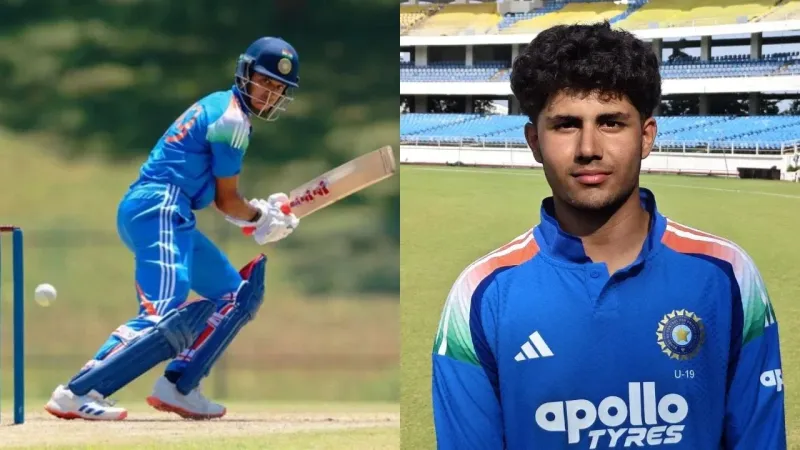
Photo: motorcyclist practising U-turn in empty UK car park on heavy touring motorcycle, via static.cricketaddictor.com
There is a particular silence that settles over a supermarket car park at 7am on a Sunday. It is the sound of an empty expanse of tarmac, a few seagulls, and a rider wondering whether a quarter-tonne tourer will actually turn inside the width of the exit. I have been that rider. The bike was not the problem. My low-speed technique was.
Heavy bikes are honest machines. They forgive a lot at 60mph, where gyroscopic forces and a steady throttle do most of the work. At walking pace, they tell you everything. A clumsy handful of front brake, a stalled clutch, a missed shoulder check — and the centre of gravity wins. The good news is that low-speed control is a learnable skill, and you can practise it without risking a drop on a busy high street.
Make the bike boring first
Before you turn a single circle, check the basics. Tyre pressures should be set for the load you are carrying, not the solo pressures you last used in March. If your bike has crash bars, use them; if it does not, borrow a mate's padded bars or accept that a gentle tip-over in a car park is cheaper than a tumble at a junction. Empty the panniers and top box for the first sessions. A 300kg bike with 30kg of camping kit strapped high at the back is a different animal.
Find a council car park or a quiet industrial estate after hours, and check you have permission. Painted bay lines are your friends. They give you a reference for width, and they do not move when you get it wrong.
The three controls that matter
Low-speed control on a heavyweight comes down to clutch, rear brake and eyes. The clutch lives in the friction zone, that narrow band where the lever is neither fully in nor fully out. You are not slipping it to be cruel; you are using it to feed torque smoothly. The rear brake is your speed regulator, especially in a U-turn. A light trailing rear brake keeps the bike settled and stops the throttle from making the bike lurch. The front brake is for stopping from speed, not for corrections at walking pace.
Your eyes are the third control. Look where you want the bike to go, not at the kerb you are afraid of hitting. Your head should turn before your shoulders, and your shoulders before the bars. On a heavy bike, that head turn is not a style point. It is how you tell the chassis where to go.
Drill one: the painted-line crawl
Pick a long white bay line and ride alongside it at walking pace. Use clutch and rear brake only. Stop. Start again. Keep your feet on the pegs unless you are genuinely about to stop. The aim is not speed; it is smoothness. Do ten minutes of this, then do ten more. You are training your left hand to hold a friction zone and your right foot to feather the brake without thinking.
Drill two: the figure of eight
Set out two markers about eight metres apart, or use two lamp posts in an empty car park. Ride a figure of eight around them. Start wide and slow. As you get confident, tighten the turns. Keep your head up, look through the turn to the exit, and let the bike lean slightly while your upper body stays relaxed. If the bike feels like it is falling in, you are probably looking down. If the bars feel heavy, you are probably fighting the bike with your arms.
Drill three: the proper U-turn
Use three parking bays to begin with. Ride into the bay, turn across it, and come out in the opposite direction. Then try two bays. The technique is the same: clutch in the friction zone, rear brake trailing, head turned to the exit, shoulders open. Do your mirror and shoulder checks before you commit, not halfway through the turn. A life-saver glance is useless if it arrives after you have already started the manoeuvre.
Hill starts and tight junctions
Find a quiet slope with no traffic. Hold the bike on the rear brake, bring the clutch to the friction zone, add a little throttle, and release the brake as the bike begins to pull. Do not grab the front brake at the moment of moving; that is how you end up with a stopped engine and a heavy bike leaning the wrong way. Once you can do it five times without a wobble, try it with a pillion or a loaded top box. The extra weight changes the feel, but the technique does not.
Tight junctions are the same drill in a smaller box. Approach slowly, get your observations done early, and keep the bike straight until you can see the exit. If you have to stop, stop with the bars straight and your feet ready. A heavy bike is easiest to hold when it is upright.
Know when to stop
Low-speed practice is tiring. Twenty minutes of clutch work is harder than an hour on A-roads. Stop before your arms ache and your attention drifts. The goal is not to become a trials rider on a tourer. It is to make a tight car park, a sloped junction and a wet petrol station forecourt feel like ordinary riding. That is worth more than any spec-sheet figure.