Final Drive, Final Answer: Living With Chain, Belt and Shaft on a Big Tourer
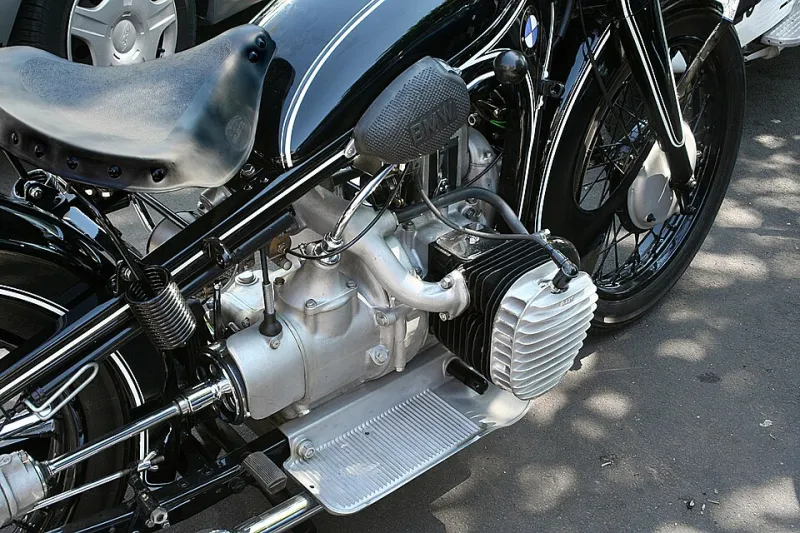
Photo: Lothar Spurzem, CC BY-SA 2.0 de, via Wikimedia Commons
Final drive is one of those choices you notice every single day. A chain needs cleaning, a belt needs checking, a shaft needs oil changes and a bit of faith. On a heavyweight tourer or adventure bike, the final drive affects how you use the bike as much as the engine does. There is no universal winner, but there is a clear winner for your particular habits.
Chain: the honest workhorse
A chain is the default for a reason. It is light, cheap, easy to alter gearing and understood by every mechanic in the country. On a big bike it also has a hard life. A 1200cc adventure bike or muscle tourer can wear out a quality chain and sprocket set in 15,000–25,000 miles, especially if you commute through a British winter and leave it sitting in salt.
A chain kit costs roughly £150–£300. Add cleaner, lube and a brush, and you are looking at another £50–£100 a year. If you pay a shop to fit it, add £80–£150. Keep it adjusted and lubed and you might see 25,000–30,000 miles from a good set. Neglect it and you will be lucky to see 15,000. Chains are fixable at the roadside, but they are also messy, and a worn chain can chew sprockets and ruin a trip.
Belt: the quiet compromise
Belt drive is common on cruisers and some tourers. It is clean, quiet and needs no lube. A belt can last 30,000–50,000 miles in good conditions, but UK grit, stones and poor alignment can shorten that. Replacement is typically £250–£500 for the belt plus £100–£200 labour. Belts do not like gravel or off-road use, and a stone trapped in the pulley can strand you. They are brilliant for a lazy maintainer who mostly rides tarmac and wants a clean rear wheel.
Shaft: the long-haul lazy option
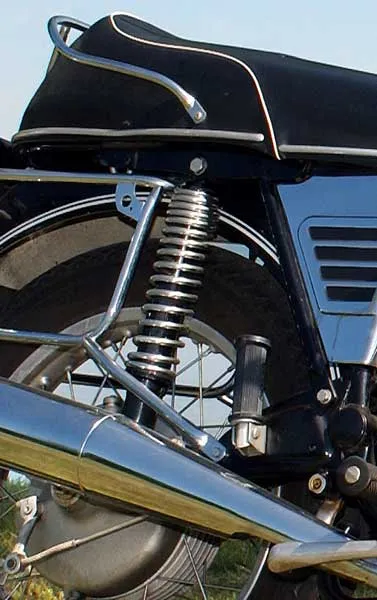
Shaft drive is the touring favourite for a reason. Routine maintenance is simple: change the final drive oil every 10,000–12,000 miles or annually, check for leaks, and grease the splines when the rear wheel is off. A final drive oil change is £15–£40 if you do it yourself. That is the appeal.
The risk is what happens when a shaft is neglected. Seals weep, U-joints wear, splines dry out and crown wheel bearings fail. A full rebuild or replacement can cost £500–£1,500, sometimes more. Shafts are not indestructible, and a failed shaft at speed is unpleasant. But for a high-mileage rider who wants to spend Sundays riding rather than cleaning, a shaft is hard to beat.
The 30,000-mile cost table
Here is a rough comparison for a heavyweight bike used mostly on UK roads, with shop labour at £60–£80 per hour. It excludes tyres, brake pads and catastrophic failure.
| Drivetrain | Likely consumables over 30,000 miles | Routine labour | Typical total | Owner time |
|---|---|---|---|---|
| Chain | Two chain and sprocket kits, lube and cleaner | £150–£300 | £600–£900 | High |
| Belt | One belt, maybe one pulley if worn | £100–£200 | £400–£700 | Low |
| Shaft | Three or four oil changes, spline grease | £60–£150 | £120–£300 | Very low |
Those numbers tell the story. A chain is cheapest on paper if you do the work yourself, but it costs time. A belt is the middle ground. A shaft is cheapest in routine costs and owner time, but it carries a bigger tail risk if something lets go. That tail risk is why used shaft bikes need a careful check.
Which suits whom
If you ride 12,000 miles a year, commute in all weather and want to spend your weekends elsewhere, a shaft makes sense. If you are a fair-weather rider who likes a clean bike and does not want to mess with oil, a belt is lovely. If you are a DIY rider on a budget, or you want to change gearing for off-road use, a chain is the practical choice. Adventure riders often prefer chains because they are easier to repair in the middle of nowhere, even if they demand more attention at home.
Used buying checks
With a chain, look for tight spots, hooked sprocket teeth and an adjuster that is already near the end of its range. With a belt, check for stones, fraying, glazing and alignment. With a shaft, ask for final drive oil change receipts, check for leaks at the hub and be suspicious of a whining or clunking rear end on the test ride. A shaft that has been serviced is a joy. A shaft that has been ignored is a lottery.
The final answer
There is no single best final drive. There is only the one that matches your mileage, your patience and your weather. A chain rewards attention. A belt rewards cleanliness. A shaft rewards routine. For a heavy-duty UK rider covering big miles in grim weather, a shaft is usually the least annoying way to own a big bike. For everyone else, the answer depends on how much time you want to spend in the garage.
At Heavy Duty Motorcycles, our workshop view is simple: buy the drivetrain that suits your habits, then look after it. The most expensive final drive is the one you neglect.