The Invisible Pillion: Crosswind Craft for Quarter-Tonne Tourers
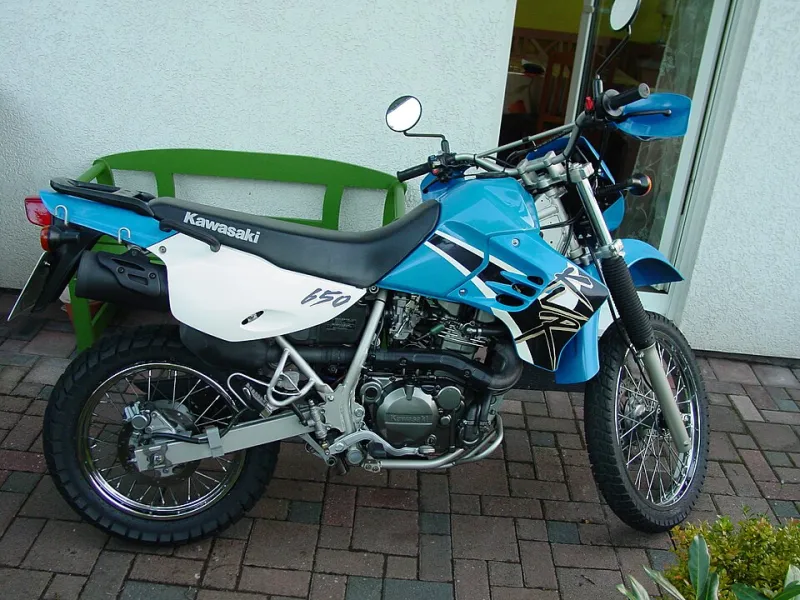
Photo: No machine-readable author provided. JokerJH~commonswiki assumed (based on copyright claims)., CC BY 2.5, via Wikimedia Commons
There is a particular kind of British wind that arrives without drama and leaves with your lane discipline. It waits on the exposed stretch of the A66, leans over the M62 with intent, and gathers pace across moorland where the only thing between you and the North Sea is a dry stone wall with gaps in it. On a quarter-tonne tourer, you might assume the weight is your friend. It is — up to a point. But mass does not cancel sail area, and a big tourer carries plenty of that.
The trick is not to wrestle the bike. The trick is to understand what the wind is pushing, how the bike is likely to react, and when the intelligent move is to ease off rather than prove a point to the weather.
The bike is only half the sail
A 300kg motorcycle feels reassuringly planted in most conditions, but crosswinds act on the whole package: rider, screen, panniers, top box and any dry bag lashed on with optimism. A tall top box mounted high and far back is essentially a small sail behind the rear axle. Fill it with light waterproofs and it is manageable. Fill it with tools, a laptop and a weekend's worth of cider and you have given the wind a lever.
Start with luggage. Keep heavy items low and central — in the bottom of panniers, close to the bike's centreline, rather than high in a top box. If you are travelling solo and the top box is empty, consider leaving it at home for windy trips. If you need it, keep it light. A dry bag strapped across the pillion seat can be fine if it is packed flat and low, but a tall, round bag perched high behind you will catch side wind and make the front feel vaguer than it should.
Screens are the other big variable. A tall touring screen is a wonderful thing in rain and cold, but it presents a larger profile to a crosswind. Some riders find a shorter screen or a screen with a cut-down top gives cleaner airflow in gusty conditions, even if it is noisier. If your screen is adjustable, experiment on a calm day — not halfway across a exposed bridge with a lorry alongside. The best setting for a windy trip may not be the one you use for a rainy motorway commute.
Loose arms, quiet inputs
Riding a heavy bike in wind is not about strength. It is about allowing the bike to move without transmitting every gust into a correction. Grip the bars firmly enough to control the throttle and brakes, but keep your shoulders down and elbows bent. If your arms are locked straight, every push from the wind goes straight into the steering and you end up making a series of small, late corrections that make the bike feel worse.
Keep your knees against the tank and your weight settled through the seat. In a steady crosswind, you may find a slight shift of weight to the windward side helps, but keep it subtle. Do not hang off like you are racing at Cadwell. The aim is to let the bike lean into the wind a little and hold its line, not to fight it back to vertical every time a gust arrives.
Look further ahead than usual. Wind gusts often announce themselves through the landscape — a line of trees bending, grass flattening, a gap in a hedge — and the earlier you see them, the less abrupt your response needs to be. On a motorway, watch for the bow wave from lorries and coaches. Give them more space than you would on a still day, and avoid sitting alongside a high-sided vehicle in an exposed section. If you are overtaking, do it decisively and leave room for the buffeting that follows.
Read the road, not just the forecast
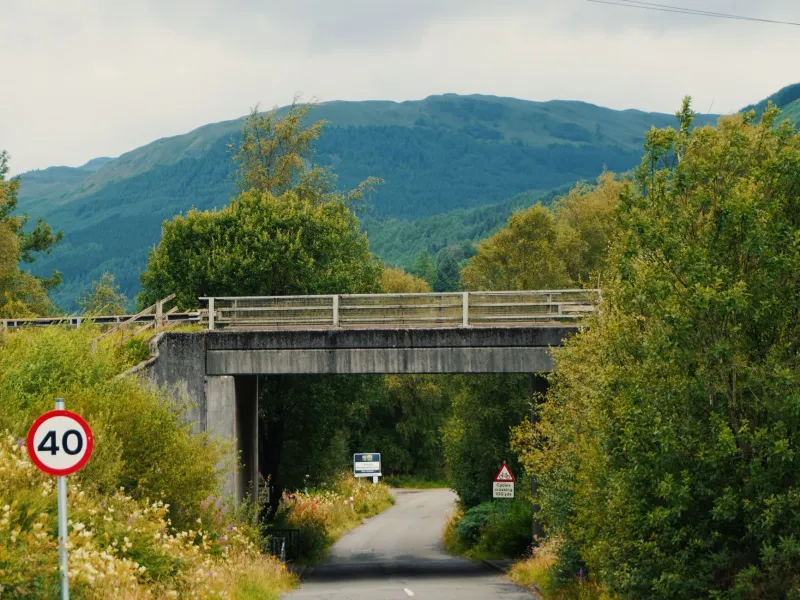
Crosswinds are rarely uniform. They funnel through cuttings, accelerate across bridges, and disappear behind buildings before hitting you again at the next field gate. Exposed moorland roads, coastal stretches and high motorway bridges deserve respect. So do gaps in roadside vegetation, which can release a gust just as you pass.
Slow down before these hazards, not after the bike has already been pushed offline. A few mph less gives you more time to react and reduces the energy the wind can transfer. If you are riding two-up, the pillion changes the sail area and the weight distribution. A nervous passenger may tense up and lean against the wind, which does not help. Brief them to stay neutral, look through the screen and follow your body rather than reacting to every gust. If they are frightened, stop somewhere safe and reassess. No destination is worth a miserable passenger and a ragged line.
When the sensible answer is a cup of tea
There is no medal for pressing on. If you are using most of the lane to hold your line, if you cannot relax your grip for a moment, if passing lorries is pushing you towards the centre line, or if the wind is making your decisions for you, it is time to slow down or stop. Pull into a services, a lay-by or a town rather than the hard shoulder. Exposed hard shoulders are not a good place to wait out a gust.
A reroute can be the smartest tool in the box. A lower, more sheltered A-road may be slower on paper but faster overall if it keeps you calm and upright. British weather often changes by the hour, so a coffee and a look at the forecast can turn a grim afternoon into a manageable one. The quarter-tonne club is about carrying weight well, not about pretending the wind is not there. Give it room, keep your inputs quiet, and save the fighting for something that deserves it.