Before You Swing a Leg Over: A Ten-Minute Shakedown for Quarter-Tonne Bikes
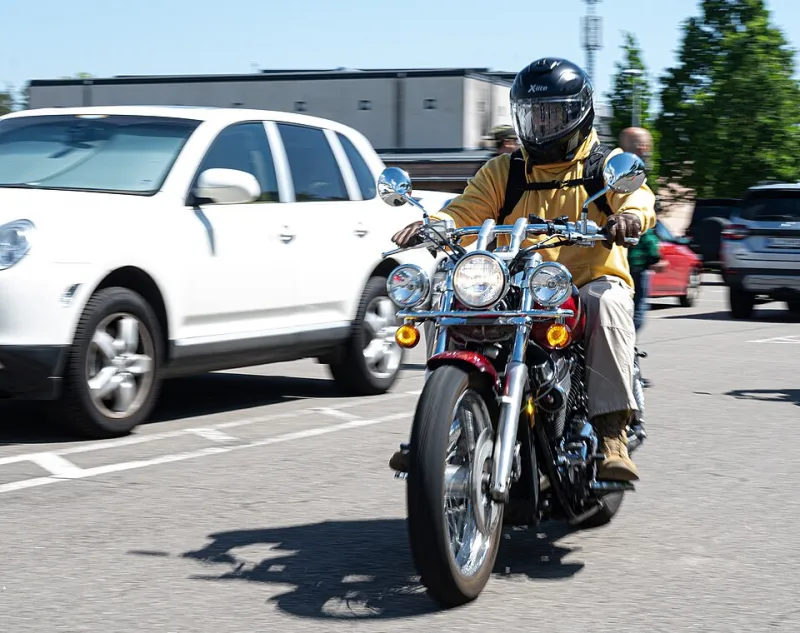
Photo: U.S. Air Force 86AW by Senior Airman Thomas Karol, Public domain, via Wikimedia Commons
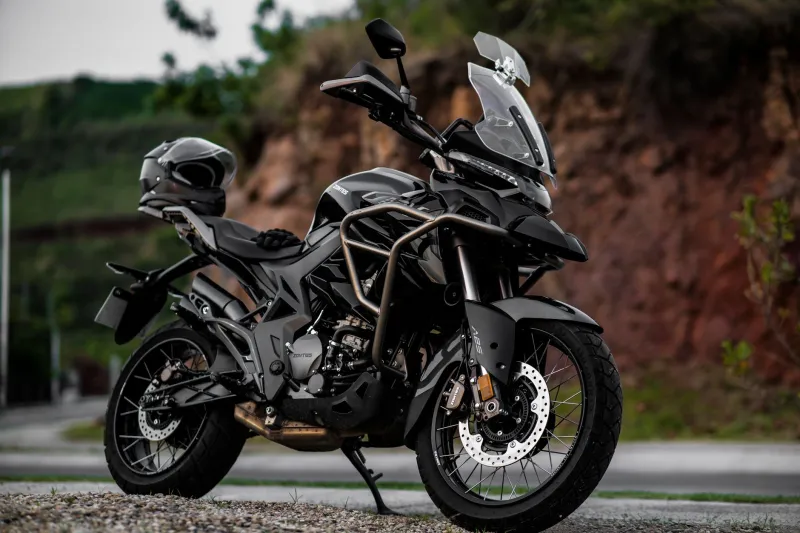
Big bikes don’t need a longer checklist so much as a better-ordered one. A generic pre-ride routine will tell you to check the lights and kick the tyres, then send you off into a wet A-road with a pannier bolt half out and the rear preload set for a solo blast. On a quarter-tonne machine, the consequences of the small stuff are bigger: a soft tyre that feels merely vague on a 180kg bike can make a fully loaded tourer steer like a barge; a dry chain that would have survived a short hop can be cooked by the time you reach the coast.
So this is not another clipboard exercise. It is a ten-minute loop around the bike, done in the same order every time, designed for the way heavy motorcycles are actually used in the UK: two-up, luggage on, weather coming sideways, and no appetite for a full workshop session before every ride. The aim is trust, not perfection.
Start at the Front Tyre, Because Load Changes Everything
Check pressures cold, before the bike has been ridden and before the sun has had a chance to warm the tyres. On a 300kg tourer, adding a rider, a pillion and a weekend’s luggage can push the all-up weight past 400kg. The handbook pressures for solo riding are not the pressures for that trip. Use the loaded figures, and use a proper gauge rather than the forecourt inflator that has been dropped eight times.
While you are down there, look at the tread and sidewalls. UK roads are generous with screws, flints and pothole edges. A slow puncture that shows up as a five-psi drop every morning is not a quirk; it is a warning. Top it up and note it, but don’t pretend it has fixed itself.
Brake Feel Beats Brake Looking
Squeeze the front lever firmly and hold it. It should feel solid, not spongy, and it should not creep towards the bar. Do the same with the rear pedal. With panniers and a top box fitted, the rear brake is doing more work than it does on a naked bike, and a mushy pedal is easy to ignore until you need it on a damp downhill junction.
A quick visual check of pad thickness, hose condition and reservoir level is worthwhile, but feel is the fast test. If the lever comes back to the grip, stop. If the bike has been standing, pump the brakes gently before you pull away. A heavy bike gathers speed quickly; you want the brakes awake before you do.
Set the Suspension for the Load You Are Carrying
Preload is the one adjustment most riders mean to do and then don’t. A 300kg bike with a pillion and luggage will squat at the rear, which lifts the front, slows the steering and points the headlight at the treetops. It also makes the bike feel vague in a way that gets blamed on tyres.
Find the rear preload collar or knob and set it for the load. Check the front adjusters if your bike has them. Bounce the bike a couple of times and look for oil mist on the fork stanchions or shock shaft. A clunk or a wallow is worth investigating before you load up, not after.
Push the Racks and Panniers, Not Just the Lids
A pannier that opens and closes is not the same as a pannier that is secure. Grab each box and try to move it side to side and fore and aft. Check the mounting frames, not just the cases. Vibration plus weight is a patient destroyer of brackets, and a top box leaving the bike at motorway speed is a bad way to start a holiday.
Look at the rack bolts and the frame mounts. Check that luggage straps are clear of the wheel, chain and exhaust. In wet weather, also check that water is not pooling in the boxes or sitting around the locks. A soaked kit is annoying; a seized lock halfway up a Welsh valley is worse.
Look for the Fasteners That Carry the Weight
You do not need to torque every bolt every morning. You do need to look at the ones that hold heavy parts in place: axle pinch bolts, brake caliper mounts, engine guards, footpeg hangers, centre-stand springs and any luggage frame bolts. A quick wiggle and a visual check for missing or shiny, loosened fasteners takes seconds.
Corrosion is part of this. A bolt that looks furry may still be tight, but it is telling you something about the bike’s exposure to gritter salt and British damp. If you do check a fastener properly, use the correct torque afterwards. Heavy bikes punish guesswork.
Give the Final Drive a Proper Look
Chain, belt or shaft, the final drive is where a heavy motorcycle’s torque and weight meet. On a chain bike, check slack at the specified point, not by feel alone. Too tight is worse than slightly loose. Look for dry links, tight spots and hooked teeth. Lube it after a wet ride, not just before a dry one.
Belt bikes need a check for stones and fraying. Shaft bikes need a look for oil weeping at the final drive and a feel for any notchiness. None of this replaces scheduled servicing, but it does catch the sort of problem that turns a morning ride into a recovery truck.
Finish With Lights, Controls and the Human Bits
Check the lights, indicators and horn. Look at the mirrors. Roll the throttle and let it snap back. Check the clutch and brake levers, the side-stand spring and the stand switch. Make sure the kill switch is where it should be. If you are wearing thick winter gloves, confirm you can actually operate everything before you set off.
The Ten-Minute Loop in Practice
Do it in the same order every time: front tyre and brakes, suspension, controls, racks, rear tyre, final drive, lights. That way, a missed step stands out. In filthy weather, prioritise the load-critical items: pressures, brake feel, preload, rack mounts and final drive. If something fails, fix it or leave the bike. A quarter-tonne motorcycle at 70mph has a lot of energy, and ten minutes of routine is cheap compared with the alternative.